Venous condition
Venous Disease
When leg veins have trouble returning blood back toward the heart.
Overview
Venous disease describes a group of conditions in which the veins in the legs have difficulty returning blood toward the heart. Blood can pool in the lower legs, which may lead to swelling, heaviness, visible veins, and skin changes around the ankle.
What is happening inside the body
Veins carry blood back toward the heart, working against gravity with the help of small one-way valves and the pumping action of the calf muscles. If those valves do not close completely, some blood can flow backward and collect in the lower leg. The pressure that builds up over time is what produces many of the symptoms people notice.
Venous circulation
Veins return blood back toward the heart
Veins move blood from the legs back up toward the heart with help from one-way valves and the calf muscles. If a valve does not close completely, blood can flow backward and collect in the lower leg.
- Direction of flow: body back toward the heart
- Common problem: valves that allow backward flow
- Typical pattern: swelling and heaviness that build through the day
Circulation
Seeing the difference between arteries and veins.
Many leg symptoms become easier to understand once you know which direction the blood is traveling. Our side by side comparison explains both systems and how their problems differ.
Compare arterial and venous circulationCommon symptoms
- Swelling in the ankles or lower legs, often worse at the end of the day
- Aching, heaviness, or a tired feeling in the legs
- Varicose veins or clusters of small surface veins
- Leg discomfort after long periods of standing or sitting
- Itching, dryness, or darkening of the skin near the ankle
- Wounds near the ankle that are slow to heal
Risk factors
- Family history of varicose veins or venous disease
- Work or daily routines that involve long periods of standing or sitting
- Pregnancy, current or previous
- Older age
- Excess body weight
- A previous blood clot or leg injury
When to be seen
When to see a cardiovascular specialist.
- Leg swelling that does not resolve overnight
- Skin color changes, hardening, or irritation near the ankle
- An open sore or slow-healing wound on the lower leg
- Aching or heaviness that limits your daily activity
- Sudden swelling, redness, or pain in one leg, which should be evaluated promptly
If you have severe chest pain, sudden severe shortness of breath, fainting, or signs of a stroke, call 911 or go to the nearest emergency room.
Evaluation
How the condition is evaluated.
- Conversation and leg exam
- Your provider reviews your symptoms and examines the legs for swelling, visible veins, and skin changes.
- Venous duplex ultrasound
- Painless imaging that shows how blood is flowing through the leg veins and how the valves are working.
- Review of contributing factors
- Circulation, heart function, medications, and other health conditions are considered together.
Treatment
Potential treatment options.
- Compression therapy
- Graduated compression is frequently part of care and supports blood return from the legs.
- Activity and elevation guidance
- Simple daily habits such as movement and leg elevation are often recommended alongside other care.
- Sclerotherapy for spider veins
- A minimally invasive in-office option discussed for appropriate surface veins.
- Procedural options when appropriate
- Additional treatments may be discussed based on your ultrasound findings and symptoms.
- Wound care coordination
- Venous wounds are managed with attention to both healing and the underlying circulation.
Treatment is individualized. What is appropriate for you depends on your evaluation, your symptoms, and your overall health, and it is decided together with your physician.
At our clinicView all services
Related Austin Cardiovascular Clinic services.
Compression Therapy
In-office therapy for venous insufficiency and leg swelling.
Spider Vein Treatment
Minimally invasive sclerotherapy for cosmetic and symptomatic relief.
Cardiac Ultrasound
In-office echocardiography and vascular ultrasound imaging.
Chronic Wound Care
Multidisciplinary care to promote healing of complex wounds.
Your care team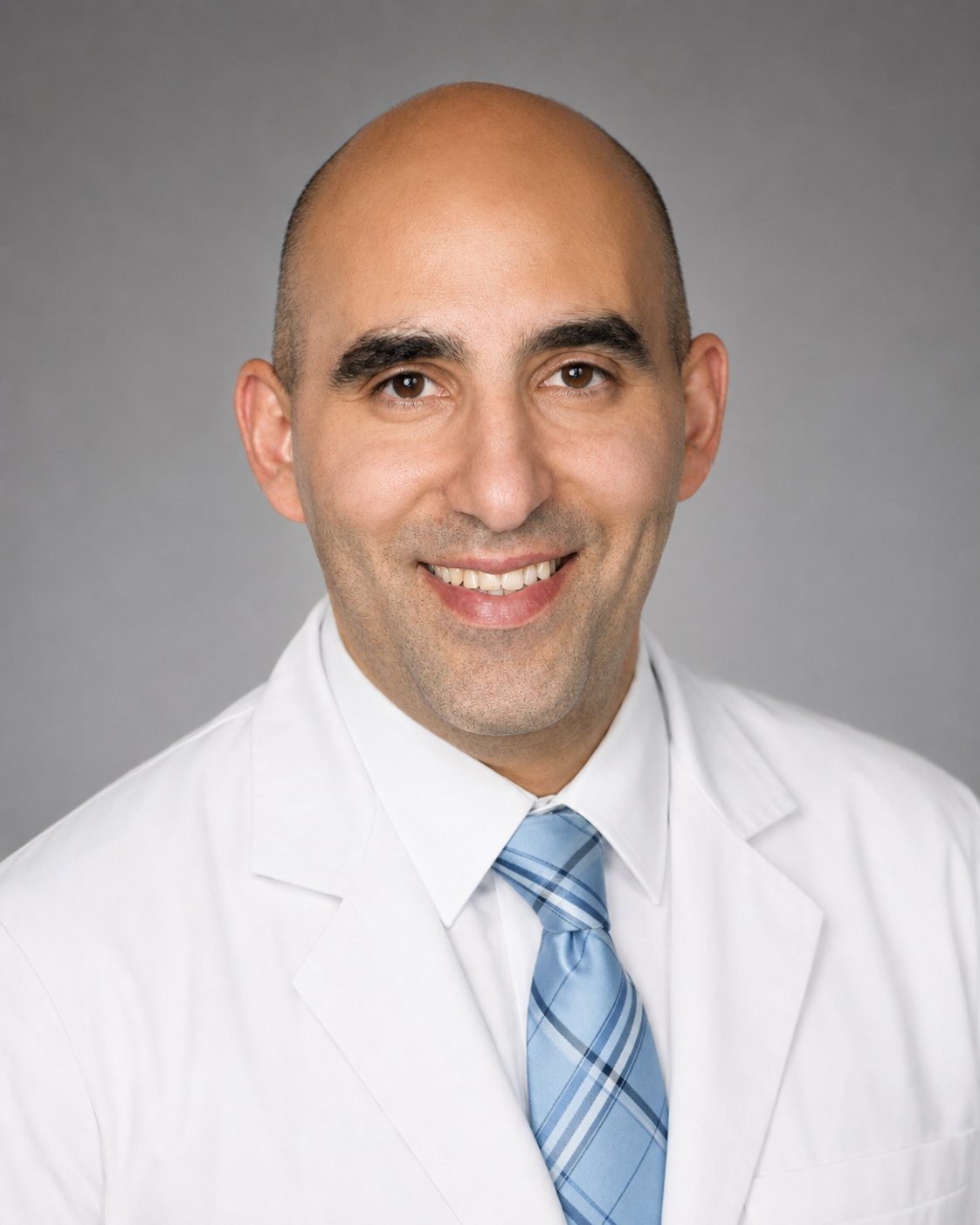
Physicians who care for this condition.
Questions & answers
Venous Disease questions patients ask.
General education only. Your own answers depend on your evaluation.
It refers to conditions in which the veins in the legs have difficulty moving blood back toward the heart. Blood can pool in the lower leg, which may lead to swelling, aching, visible veins, and skin changes.
Standing and sitting for long stretches make it harder for leg veins to move blood upward, so fluid can gather in the ankles and lower legs. Swelling can also relate to the heart, kidneys, medications, and other causes, so persistent swelling should be evaluated.
Not always. Some people have visible veins with little discomfort, while others have aching, heaviness, swelling, or skin changes. An evaluation helps distinguish a cosmetic concern from a circulation problem that deserves treatment.
Arterial problems involve blood traveling away from the heart and often cause cramping with walking. Venous problems involve blood returning to the heart and more often cause swelling, heaviness, and skin changes near the ankle. Some people have both, which is why testing is useful.
Long-standing pressure in the leg veins can lead to skin breakdown near the ankle in some people. A wound in this area should be evaluated so the circulation behind it can be addressed.
Compression is a common part of venous care and supports blood return from the legs. The right level of compression varies from person to person, so it should be selected with your provider.
Many venous treatments are performed in the office with minimally invasive techniques. What is appropriate for you depends on your ultrasound findings, and your provider will explain what to expect beforehand.
Consider an evaluation for swelling that does not resolve overnight, aching or heaviness that limits your day, skin changes near the ankle, or any slow-healing wound. Sudden swelling, redness, or pain in one leg should be evaluated promptly.
Keep reading