
Heart Function condition
Heart Failure
When the heart has difficulty keeping up with the body's demands.
Overview
Heart failure means the heart is having difficulty pumping or filling as well as it should, so it cannot keep up with the body's needs as easily. Despite the name, it does not mean the heart has stopped. Many people live active lives with heart failure when the condition is identified and managed with an ongoing care plan.
What is happening inside the body
With each beat, the heart fills with blood and then pushes it out to the body. Heart failure can develop when the heart muscle becomes weakened and pumps less forcefully, or when it becomes stiff and does not fill as easily. In either case, pressure can build up and fluid can collect in the lungs, the abdomen, or the legs.
Common symptoms
- Shortness of breath with activity, or when lying flat
- Waking at night feeling short of breath
- Fatigue and reduced ability to exercise
- Swelling in the legs, ankles, or abdomen
- Rapid or unexplained weight gain over a few days
- Persistent cough or wheezing
- Reduced appetite or a feeling of fullness
Risk factors
- High blood pressure
- Coronary artery disease or prior heart attack
- Diabetes
- Valve disease
- Irregular heart rhythms such as atrial fibrillation
- Excess body weight
- Heavy alcohol use
- Family history of heart muscle disease
When to be seen
When to see a cardiovascular specialist.
- New or worsening shortness of breath with routine activity
- Swelling in the legs, ankles, or abdomen
- A rapid weight gain over a few days
- Needing more pillows to sleep comfortably
- Reduced stamina that is a clear change for you
If you have severe chest pain, sudden severe shortness of breath, fainting, or signs of a stroke, call 911 or go to the nearest emergency room.
Evaluation
How the condition is evaluated.
- History, exam, and symptom review
- Your provider reviews your symptoms, daily activity, weight trends, and medical history.
- Echocardiogram
- Ultrasound imaging that shows how the heart is pumping and filling and how the valves are working.
- EKG
- A quick recording of the heart's electrical activity.
- Laboratory testing
- Blood work ordered as appropriate to help assess heart strain, kidney function, and contributing factors.
- Additional imaging when appropriate
- Advanced imaging or catheterization may be recommended in select situations.
Treatment
Potential treatment options.
- Medication management
- Several categories of medication are used in heart failure care and are selected and adjusted by your physician.
- Daily monitoring habits
- Tracking weight, swelling, and symptoms at home helps your team adjust care earlier.
- Sodium and fluid guidance
- Practical dietary guidance is tailored to your situation rather than applied as a single rule.
- Treating contributing conditions
- Blood pressure, rhythm problems, valve disease, and coronary disease are addressed as part of the plan.
- Coordinated hospital follow-up
- Care after a hospital stay is coordinated so the transition home is closely supported.
Treatment is individualized. What is appropriate for you depends on your evaluation, your symptoms, and your overall health, and it is decided together with your physician.
At our clinicView all services
Related Austin Cardiovascular Clinic services.
Diagnostic Cardiology
Advanced testing, EKG, echocardiogram, stress testing, and cardiac imaging.
Heart Failure Management
Personalized programs to help patients live fuller lives with heart failure.
Cardiac Ultrasound
In-office echocardiography and vascular ultrasound imaging.
Hospital Procedures
Coordinated inpatient cardiac care at partner hospitals.
Your care team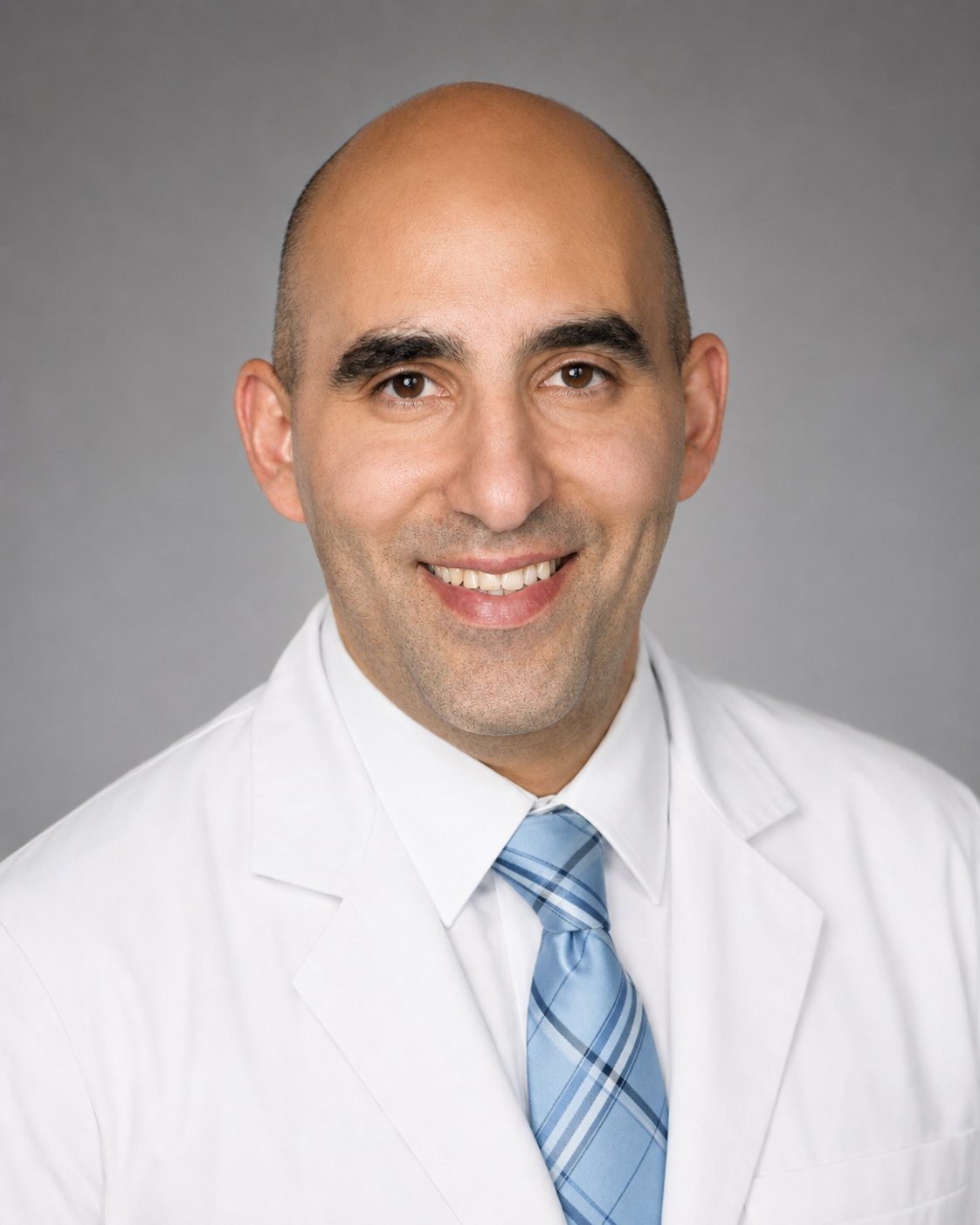
Physicians who care for this condition.
Questions & answers
Heart Failure questions patients ask.
General education only. Your own answers depend on your evaluation.
No. It means the heart is having difficulty keeping up with the body's demands. Many people live full, active lives with heart failure when it is identified and managed with an ongoing plan.
When the heart is not moving blood forward as efficiently, pressure can build and fluid can collect in the lower body. Swelling has other possible causes as well, so a new or worsening pattern should be evaluated.
Weight can rise before swelling or breathlessness becomes obvious, so a daily weight is a simple early signal. Your provider will tell you which changes to report and how quickly.
Activity is often part of care, but the right type and amount is individual. Ask your physician what level of activity is appropriate for you before starting or changing a routine.
It depends on the cause and on how the heart responds to treatment. Some contributing conditions can be treated directly, and many people improve with a consistent care plan. Your cardiologist can explain what is realistic in your situation.
An echocardiogram is central because it shows how the heart pumps and fills. An EKG and blood work are commonly used as well, and additional imaging may be recommended depending on your situation.
Contact the clinic if you notice increasing breathlessness, new swelling, or a rapid weight gain. If you have severe shortness of breath, chest pain, or fainting, call 911 or go to the nearest emergency room.
Consider an evaluation if shortness of breath, fatigue, or swelling is new or getting worse, or if you have been hospitalized for heart failure and need ongoing follow-up.
Keep reading